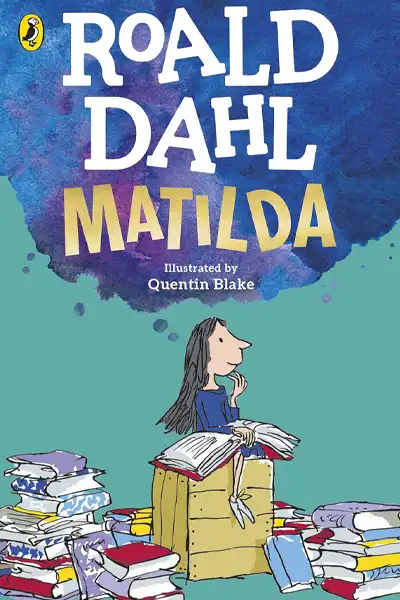
| Full Title | Matilda |
| Author Name | Roald Dahl |
| Ghostwriter | No officially credited ghostwriter |
| Genre | Children’s Fiction, Middle Grade Fiction, Fantasy, Humorous Fiction |
| First Publisher | Jonathan Cape |
| First Publication Date | 1 October 1988 |
| Formats Available | Hardcover, Paperback, Mass Market Paperback, eBook (Kindle), Audiobook, Large Print, Illustrated Editions |
| Number of Pages | 240 pages (First UK edition; page count varies by edition) |
| Series | No. It is a standalone novel. |
| Edition | More than 150 editions published worldwide, including anniversary and illustrated editions. |
| Original Language | English |
| Languages Available | Originally published in English and translated into 40+ languages worldwide. |
| Recommended Age Group | 8–12 years (Middle Grade readers), though it is enjoyed by teenagers and adults as well. |
| Book Dimensions | Approximately 5.1 × 0.8 × 7.8 inches (Paperback edition). Dimensions vary depending on the publisher and format. |
| Approx. Copies Sold | More than 17 million copies sold worldwide (estimated). |
| ISBN-10 | 0142410373 (Popular Puffin paperback edition) |
| ISBN-13 | 978-0142410370 (Popular Puffin paperback edition) |
| Country of Origin | United Kingdom |
Read Inside This Book
Inside this book.
About the Book: Matilda
Matilda by Roald Dahl is a timeless children’s novel that celebrates intelligence, courage, and the power of kindness. The story follows Matilda Wormwood, an extraordinary young girl who develops a love for books at an early age. Although her parents ignore her talents and treat her unfairly, she never gives up on learning or believing in herself. Her journey becomes even more exciting when she meets the kind-hearted Miss Honey and faces the frightening headmistress, Miss Trunchbull.
The book combines humor, imagination, and adventure while exploring important themes such as education, friendship, fairness, and standing up against injustice. Dahl creates unforgettable characters that make readers laugh, think, and cheer for Matilda as she overcomes difficult situations with wisdom and determination.
One of the novel’s greatest strengths is its ability to entertain readers while encouraging a love of reading and lifelong learning. It reminds children that knowledge can build confidence and that kindness is often stronger than cruelty. The simple storytelling, memorable characters, and exciting plot make the book enjoyable for both young readers and adults.
Conclusion
Matilda remains one of Roald Dahl’s most beloved classics because its message never grows old. It inspires readers to value education, believe in their abilities, and face challenges with courage. Filled with humor, heart, and imagination, this remarkable novel continues to capture the attention of generations and deserves a place on every young reader’s bookshelf.
Contents of this Book.
Table of Contents for Matilda
1. The Reader of Books
2. Mr Wormwood, the Great Car Dealer
3. The Hat and the Superglue
4. The Ghost
5. Arithmetic
6. The Platinum-Blond Man
7. Miss Honey
8. The Trunchbull
9. The Parents
10. Throwing the Hammer
11. Bruce Bogtrotter and the Cake
12. Lavender
13. The Weekly Test
14. The First Miracle
15. The Second Miracle
16. Miss Honey’s Cottage
17. Miss Honey’s Story
18. The Names
19. The Practice
20. The Third Miracle
21. A New Home
Chapter-wise Summary.
Chapter-wise Summary of Matilda
1. The Reader of Books
Matilda is an exceptionally bright little girl who finds comfort in reading while her parents ignore her talents. Books become her closest companions, opening a world far bigger than her home and showing how curiosity can flourish even without encouragement.
2. Mr Wormwood, the Great Car Dealer
Mr Wormwood proudly runs his used car business but relies on dishonest tricks to fool customers. He laughs at learning and dismisses Matilda’s intelligence, creating a household where clever thinking receives criticism instead of praise.
3. The Hat and the Superglue
Fed up with her father’s rude behavior, Matilda quietly plans two harmless pranks. She glues his hat to his head and enjoys watching the surprising results, proving that quick thinking can outsmart loud arrogance.
4. The Ghost
Matilda continues teaching her father a lesson by making him believe a ghost is haunting the house. The clever trick confuses everyone and highlights her growing confidence in handling unfair treatment with imagination instead of anger.
5. Arithmetic
During a family dinner, Matilda easily solves a difficult math problem that impresses no one at home. Her parents still refuse to recognize her extraordinary abilities, making it clear that intelligence alone cannot earn appreciation in every family.
6. The Platinum-Blond Man
After hearing her father boast about cheating customers, Matilda creates another unforgettable prank by secretly changing his hair tonic. The unexpected result leaves him with bright blond hair, giving him a taste of his own dishonest behavior.
7. Miss Honey
Matilda begins school and quickly amazes her gentle teacher, Miss Honey, with advanced reading and mathematics skills. Miss Honey realizes that Matilda belongs in a higher class and decides to help her receive the education she truly deserves.
8. The Trunchbull
The story introduces the terrifying headmistress, Miss Trunchbull, whose strict rules and frightening punishments keep students constantly nervous. Her cruel personality creates a sharp contrast to Miss Honey’s kindness and understanding.
9. The Parents
Miss Honey visits the Wormwood family to discuss Matilda’s remarkable talent. Instead of feeling proud, her parents dismiss the conversation and show little interest in education, leaving Miss Honey deeply concerned about Matilda’s future.
10. Throwing the Hammer
The school gathers for a sports event where Miss Trunchbull demonstrates her incredible strength by throwing a hammer. Her intimidating presence frightens everyone, reminding students that even ordinary school activities become stressful under her control.
11. Bruce Bogtrotter and the Cake
Bruce Bogtrotter is accused of stealing cake from Miss Trunchbull’s kitchen. As punishment, he must eat an enormous chocolate cake in front of the whole school, turning an embarrassing moment into an inspiring victory through determination.
12. Lavender
Lavender, Matilda’s imaginative classmate, enjoys harmless adventures and secretly places a newt inside Miss Trunchbull’s water jug. Her playful act unexpectedly becomes part of a much bigger event that no one could have predicted.
13. The Weekly Test
Matilda easily completes difficult classroom exercises while Miss Trunchbull searches for excuses to criticize students. Her natural brilliance stands out even more as she remains calm despite the unfair atmosphere surrounding her.
14. The First Miracle
When Miss Trunchbull blames Miss Honey for the newt prank, Matilda becomes intensely focused. Suddenly, the glass tips over by itself, astonishing everyone and revealing the first mysterious sign of her hidden powers.
15. The Second Miracle
Confused but curious, Matilda begins experimenting with her strange ability. She discovers she can move small objects simply by concentrating, realizing that her extraordinary mind has awakened a remarkable gift unlike anything she has experienced before.
16. Miss Honey’s Cottage
Miss Honey invites Matilda to her tiny cottage and shares a glimpse of her simple lifestyle. Matilda notices the huge difference between Miss Honey’s kindness and the hardships she quietly endures every day.
17. Miss Honey’s Story
Miss Honey reveals the painful history behind her difficult life, explaining how Miss Trunchbull controlled her childhood and unfairly claimed her inheritance. Matilda listens carefully and becomes determined to help her beloved teacher regain happiness.
18. The Names
As Miss Honey continues her story, important connections between family members become clear. Matilda pieces together the truth, understanding how greed and cruelty shaped Miss Honey’s past and strengthened Miss Trunchbull’s control.
19. The Practice
Matilda practices moving objects with greater precision until she gains complete confidence in her unusual ability. She prepares carefully, knowing she will soon need both courage and concentration to carry out an important plan.
20. The Third Miracle
Matilda uses her telekinetic power to make chalk write a mysterious message that appears to come from Miss Trunchbull’s late relative. Terrified by what she believes is a ghostly warning, Miss Trunchbull flees forever, finally freeing the school from fear.
21. A New Home
With Miss Trunchbull gone, Miss Honey regains her rightful home and begins a joyful new chapter. When Matilda’s parents suddenly leave town, they allow her to stay with Miss Honey, giving Matilda the caring family she always deserved.
Key Themes & Takeaways.
Key Themes & Takeaways of Matilda
Knowledge Opens New Doors: Reading gives Matilda confidence, sharp thinking, and the ability to see beyond her difficult surroundings.
Kindness Leaves a Lasting Impact: Miss Honey proves that patience, care, and encouragement can change a child’s life.
Standing Up to Injustice Matters: Matilda shows that courage and intelligence can challenge unfair behavior, even when the opponent seems much stronger.
Talent Deserves Support: Every child grows best when adults recognize and nurture their unique abilities instead of ignoring them.
Character Is More Valuable Than Power: The story reminds readers that honesty, compassion, and integrity earn lasting respect, while fear and cruelty eventually fail.
Hope Can Grow Anywhere: Even in a difficult home or school, positive change becomes possible through determination, wisdom, and the support of genuinely caring people.
Best Short Quotes from this Book.
Best Short Quotes from Matilda
* “So Matilda’s strong young mind continued to grow.”
* “Never do anything by halves if you want to get away with it.”
* “Somewhere inside all of us is the power to change the world.”
* “I’m right and you’re wrong.”
* “If you are good, life is good.”
* “A little magic can take you a long way.”
* “Children are not so serious as grown-ups.”
* “Sometimes Matilda longed for a friend.”
* “She loved books more than anything else.”
* “It is impossible to make your eyes twinkle if you aren’t feeling twinkly yourself.”
Who Should Read this Book?
Who Should Read Matilda
Matilda is a timeless novel that appeals to readers of different ages. Its blend of humor, adventure, and meaningful life lessons makes it an enjoyable and rewarding read for many.
* Young readers who enjoy imaginative stories with clever, brave characters.
* Parents looking for a book that encourages reading, curiosity, and independent thinking.
* Teachers and librarians who want an engaging classroom or library book that sparks discussion.
* Fans of classic children’s literature who appreciate memorable characters and lighthearted storytelling.
* Readers who love books about friendship and kindness, where compassion is stronger than cruelty.
* Anyone who enjoys stories about overcoming challenges through intelligence, courage, and determination.
* Families who read together, as the book offers entertaining moments for children while sharing valuable lessons that adults can also appreciate.
* First-time readers of Roald Dahl, since Matilda is an excellent introduction to his imaginative writing style and unforgettable characters.
Emotional Impact of this Book.
Emotional Impact of Matilda
* How the Book Makes You Feel
Matilda takes readers on an emotional journey filled with laughter, hope, and admiration. Watching a bright child face neglect with courage creates both sympathy and inspiration. As the story unfolds, every small victory feels satisfying, leaving readers with a lasting sense of optimism and the belief that kindness and intelligence can overcome even the toughest challenges.
* Memorable Moments
Several scenes stay with readers long after the final page. Matilda’s clever pranks, Bruce Bogtrotter’s unforgettable cake challenge, and the dramatic showdown with Miss Trunchbull make the story exciting and emotionally rewarding. The ending, where Matilda finally finds a loving home, delivers one of the book’s most heartwarming moments.
* Relatable Experiences
Many readers connect with Matilda’s love of books, her curiosity, and her desire to be understood. Children may recognize the feeling of not being taken seriously, while adults often appreciate the importance of encouraging young minds. The story reminds readers that one caring person can make a life-changing difference.
Strengths of this book.
Strengths of Matilda
Engaging and Imaginative Storyline: The plot blends humor, adventure, and light fantasy, keeping readers interested from the opening chapter to the satisfying ending.
Unforgettable Characters: Each major character has a distinct personality. From the brilliant Matilda to the intimidating Miss Trunchbull, every role adds energy and purpose to the story.
Encourages a Love for Reading: The novel highlights how books can inspire curiosity, build knowledge, and provide comfort during difficult times.
Meaningful Life Lessons: Without feeling preachy, the story promotes kindness, honesty, courage, and perseverance through the characters’ actions and choices.
Perfect Balance of Humor and Emotion: Funny moments lighten the serious situations, creating a reading experience that feels entertaining as well as heartfelt.
Strong Female Role Models: Matilda and Miss Honey demonstrate intelligence, resilience, and compassion, encouraging readers to value inner strength over outward power.
Simple Yet Powerful Writing Style: Clear language and vivid storytelling make the book accessible to younger readers while remaining enjoyable for adults.
Memorable Ending: The conclusion provides emotional satisfaction, rewarding readers with hope, justice, and a sense that goodness can ultimately prevail.
Weaknesses or Limitations of this Book.
Weaknesses or Limitations of Matilda
Some Characters Feel Overly Exaggerated: Several adults are portrayed in extreme ways. While this adds humor, readers looking for realistic character development may find the personalities somewhat one-dimensional.
Fantasy May Not Appeal to Everyone: Matilda’s supernatural abilities introduce a magical element that may not suit readers who prefer completely realistic children’s fiction.
Limited Perspective on Family Relationships: The story focuses mainly on Matilda’s unhappy home life, leaving little room to explore more balanced or supportive family dynamics.
Fast Resolution at the End: The final chapters solve major conflicts quickly. Some readers may wish for a more detailed conclusion showing the characters’ lives after the main events.
Minor Characters Receive Less Development: Interesting characters such as Lavender and Bruce Bogtrotter contribute memorable moments but are not explored in greater depth.
Clear Good-versus-Evil Contrast: The strong divide between kind and cruel characters keeps the story easy to follow, but it leaves little space for moral complexity or personal growth among the antagonists.
Some Punishments May Feel Intense: A few scenes involving strict discipline could seem harsh to younger or more sensitive readers, even though they are presented with humor.
Advanced Young Protagonist: Matilda’s exceptional intelligence and abilities are inspiring, but some readers may find it difficult to relate to a child with such extraordinary gifts.
FAQ Section.
FAQ About Matilda
1. Is Matilda worth reading for adults as well as children?
Absolutely. While the story is written for younger readers, its humor, memorable characters, and meaningful themes about courage, kindness, and learning make it enjoyable for adults too.
2. What makes Matilda different from other children’s books?
The novel combines clever humor, unforgettable villains, heartwarming friendships, and a strong love for books. Its imaginative storytelling keeps readers entertained while delivering valuable life lessons.
3. Does Matilda have an inspiring message?
Yes. The story shows that intelligence, determination, and compassion can help people overcome unfair situations. It encourages readers to believe in themselves and never stop learning.
4. Is Matilda a good book for children who enjoy reading?
Definitely. Matilda’s passion for books inspires young readers to explore new stories and discover how reading can spark creativity, confidence, and curiosity.
5. Does the book contain fantasy elements?
Yes. Although much of the story feels grounded, it includes a magical twist that adds excitement without taking away from its emotional depth or meaningful message.
6. Is Matilda fast-paced and easy to finish?
Yes. Short chapters, lively storytelling, and entertaining events keep the pages turning, making it an excellent choice for both regular and reluctant readers.
7. What life lessons can readers learn from Matilda?
Readers discover the value of education, kindness, resilience, honesty, and standing up to injustice. The story also highlights how one supportive person can positively change someone’s life.
8. Who will enjoy Matilda the most?
The book is ideal for children, parents, teachers, and anyone who enjoys classic stories filled with humor, imagination, memorable characters, and uplifting messages.
9. Is Matilda suitable for family reading?
Yes. Families can enjoy reading it together because it offers entertaining adventures for children while giving adults thoughtful themes to discuss with young readers.
10. Why has Matilda remained popular for so many years?
Its timeless themes, lovable heroine, witty humor, and satisfying ending continue to connect with new generations. Readers return to the story because it celebrates curiosity, courage, and the lasting power of knowledge.
About the author


All Genres
Biographies, Diaries & Memoirs Business & Investing Children Fiction Children’s Books Crime, Thriller & Mystery Fiction Health, Fitness & Nutrition Non-Fiction Picture Book Romance Science Fiction & Fantasy Self-Help & Personal Development Series Teen and Young Adult
Show more +Show less –Final Verdict :
Matilda is a heartwarming classic that celebrates curiosity, courage, and the joy of learning. With unforgettable characters, witty storytelling, and meaningful life lessons, it remains a rewarding read for children and adults seeking an inspiring, timeless story.
-
Book Rating:9.4