


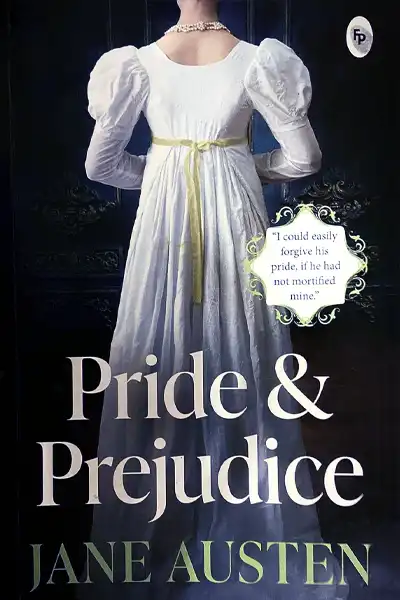
| Full Title | Pride and Prejudice |
| Author Name | Jane Austen |
| Genre | Classic Romance, Social Fiction |
| Publisher | T. Egerton, Whitehall |
| Release Date | 28 January 1813 |
| Formats Available | Hardcover, Paperback, eBook, Audiobook |
| Number of Pages | 279 pages (varies by edition) |
| Series | No, it is a standalone novel |
| Edition | Hundreds of editions (including annotated, illustrated, and academic versions) |
| Original Language | English |
| Languages Available | Translated into 35+ languages worldwide |
| Recommended Age Group | 13+ (young adults and above) |
| Book Dimensions | Approx. 5 x 8 inches (standard paperback; varies by publisher) |
| Approx. Copies Sold | 20+ million copies globally |
| ISBN-10 | 0141439513 (Penguin Classics edition) |
| ISBN-13 | 978-0141439518 |
| Country of Origin | United Kingdom |
Read Inside This Book
Inside this book.
About the Book & Summary: Pride and Prejudice
Pride and Prejudice by Jane Austen presents a simple setting but explores complex human behavior. The story follows Elizabeth Bennet, a thoughtful young woman who values honesty and self-respect. Her life changes when she meets Mr. Darcy, a man who appears proud and distant at first.
At the beginning, their interactions feel uncomfortable. Elizabeth judges him quickly, while Darcy struggles to express himself clearly. This creates misunderstandings that shape the story. As events unfold, both characters begin to question their own opinions. Elizabeth learns to look beyond first impressions, and Darcy learns to act with humility.
The novel also shows family pressure, social expectations, and the importance of marriage in that time. These elements feel realistic because they reflect everyday concerns, like choosing the right partner or balancing personal values with society’s opinions. For example, the Bennet family’s situation shows how financial security can influence decisions.
What makes the book engaging is its focus on small moments—conversations, reactions, and quiet changes in thinking. These details slowly build strong emotional impact.
Conclusion
Pride and Prejudice offers a meaningful look at relationships and personal growth. It reminds readers that understanding others requires patience, and real change often begins with honest self-reflection.
Contents of this Book.
Table of Contents: Pride and Prejudice
Volume I
Chapter 1 – Chapter 23
Volume II
Chapter 24 – Chapter 42
Volume III
Chapter 43 – Chapter 61
Chapter-wise Summary.
Chapter-wise Summary: Pride and Prejudice
Chapter 1
The Bennet family hears about Mr. Bingley, a wealthy newcomer. Mrs. Bennet becomes eager to arrange a suitable marriage for one of her daughters.
Chapter 2
Mr. Bennet quietly visits Bingley without informing his family. His calm humor contrasts with his wife’s excitement, creating a light but meaningful family moment.
Chapter 3
At a ball, Bingley impresses everyone with his friendly nature, while Darcy appears proud. Elizabeth overhears his remark and forms a negative first impression.
Chapter 4
Jane praises Bingley’s kindness, while Elizabeth questions Darcy’s behavior. Their discussion shows how early opinions often form quickly from limited interaction.
Chapter 5
The Bennet sisters visit the Lucas family. Charlotte shares her practical view on marriage, valuing stability over romantic feelings.
Chapter 6
Elizabeth watches Darcy more closely. Though she notices small changes, her earlier judgment still influences how she interprets his actions.
Chapter 7
Jane becomes ill while visiting Bingley’s home. Elizabeth walks there to care for her, showing strong sisterly support and independence.
Chapter 8
Elizabeth stays at Netherfield, engaging in conversations with Darcy. Their discussions feel tense but thoughtful, hinting at growing curiosity.
Chapter 9
Mrs. Bennet visits and speaks openly about marriage hopes. Her behavior creates mild embarrassment, revealing social pressure surrounding relationships.
Chapter 10
Elizabeth and Darcy exchange ideas with sharp wit. Their conversations suggest disagreement on the surface but a deeper interest underneath.
Chapter 11
Their conversations continue with playful tension. Darcy begins to admire Elizabeth’s confidence, though he keeps his feelings controlled.
Chapter 12
Jane recovers, and the sisters prepare to return home. The peaceful setting at Netherfield comes to an end.
Chapter 13
Mr. Collins arrives at the Bennet home. His formal speech and behavior quickly make him appear awkward and overly polite.
Chapter 14
Mr. Collins praises Lady Catherine constantly. His admiration reveals his dependence on status and approval.
Chapter 15
Elizabeth meets Wickham, whose charm makes a strong first impression. His easy manner contrasts with Darcy’s reserved personality.
Chapter 16
Wickham shares his story about Darcy. Elizabeth listens carefully and begins to strengthen her negative opinion of Darcy.
Chapter 17
Elizabeth reflects on Wickham’s words. She feels confident in her judgment, showing how one perspective can influence belief.
Chapter 18
At a gathering, Wickham avoids Darcy. The tension becomes noticeable, making Elizabeth more curious about the truth.
Chapter 19
Mr. Collins proposes to Elizabeth. She refuses clearly, choosing personal values over convenience despite family expectations.
Chapter 20
Mrs. Bennet reacts strongly to Elizabeth’s refusal. Family pressure increases, showing how personal decisions affect everyone involved.
Chapter 21
News arrives that Bingley has left for London. Jane feels disappointed, though she hides it calmly, hoping his absence is temporary.
Chapter 22
Charlotte Lucas accepts Mr. Collins’s proposal. She values security and comfort, showing a practical approach to marriage rather than emotional connection.
Chapter 23
Elizabeth reacts with surprise to Charlotte’s decision. She struggles to understand how her friend can accept a marriage without affection.
Chapter 24
Jane receives little attention from Bingley’s sisters in London. Their distant behavior suggests that Bingley may not return soon.
Chapter 25
Mrs. Bennet worries about Jane’s future. Elizabeth remains thoughtful, noticing how easily expectations can change with circumstances.
Chapter 26
Elizabeth learns more about Charlotte’s settled life. She sees how her friend adjusts calmly to her new situation.
Chapter 27
Elizabeth travels to visit Charlotte. She observes how routine and acceptance shape Charlotte’s daily life.
Chapter 28
At Rosings, Elizabeth meets Lady Catherine. Her commanding tone reveals control and strong opinions about others.
Chapter 29
Lady Catherine questions Elizabeth closely. Elizabeth answers calmly, maintaining her independence despite pressure.
Chapter 30
Darcy visits Rosings unexpectedly. His presence surprises Elizabeth, creating a mix of curiosity and discomfort.
Chapter 31
Darcy and Elizabeth meet often. Their conversations feel restrained, but a quiet tension continues to grow.
Chapter 32
Elizabeth notices Darcy’s attention toward her. She feels uncertain about his behavior and motives.
Chapter 33
Colonel Fitzwilliam speaks openly with Elizabeth. He hints at Darcy’s role in separating Bingley and Jane.
Chapter 34
Darcy proposes to Elizabeth. She refuses, expressing strong feelings about his behavior and actions toward her family.
Chapter 35
Darcy writes a letter explaining his actions. Elizabeth reads it carefully and begins questioning her earlier judgments.
Chapter 36
Elizabeth reflects deeply on the letter. She realizes her opinions about Darcy and Wickham may have been mistaken.
Chapter 37
Elizabeth returns home with new understanding. Her thoughts feel quieter and more balanced.
Chapter 38
Mr. Collins and Charlotte continue their settled life. Elizabeth observes their routine without judgment.
Chapter 39
Elizabeth reaches Longbourn. She notices familiar surroundings but carries a changed perspective.
Chapter 40
Elizabeth shares some thoughts with Jane. Their bond remains strong, offering comfort and clarity.
Chapter 41
Lydia leaves for Brighton with the militia. Her carefree attitude worries Elizabeth, who senses that lack of guidance may lead to trouble.
Chapter 42
Elizabeth travels with her relatives to Derbyshire. The change of setting brings fresh thoughts and a calmer state of mind.
Chapter 43
She visits Pemberley and hears praise for Darcy. This new perspective surprises her and softens her earlier opinion.
Chapter 44
Elizabeth meets Darcy unexpectedly at Pemberley. His polite and warm behavior feels different, creating a more comfortable interaction.
Chapter 45
Darcy introduces Elizabeth to his sister. The meeting feels gentle and respectful, showing a more personal side of him.
Chapter 46
Elizabeth receives news that Lydia has run away with Wickham. The situation feels serious and brings immediate concern.
Chapter 47
Elizabeth returns home quickly. The family reacts with worry, realizing the damage this event may cause to their reputation.
Chapter 48
Efforts begin to find Lydia. Uncertainty grows, and the family feels the pressure of public judgment.
Chapter 49
Lydia’s situation remains unclear. Anxiety continues, showing how one action can affect an entire family.
Chapter 50
Mr. Bennet returns after searching. The problem remains unresolved, increasing tension at home.
Chapter 51
News arrives that Lydia will marry Wickham. Relief replaces fear, though questions about the arrangement remain.
Chapter 52
Lydia returns, showing little regret. Her behavior contrasts with the seriousness of the situation.
Chapter 53
Elizabeth learns Darcy helped arrange the marriage. This changes her understanding of his character.
Chapter 54
Bingley returns to the neighborhood. His presence brings hope for renewed connections.
Chapter 55
Bingley spends time with the Bennet family again. His interest in Jane becomes clear once more.
Chapter 56
Lady Catherine visits Elizabeth and demands she refuse Darcy. Elizabeth stands firm and protects her independence.
Chapter 57
Elizabeth reflects on recent events. Her thoughts show growth and a clearer understanding of relationships.
Chapter 58
Darcy proposes again, this time with humility. Elizabeth accepts, recognizing his changed behavior and her own earlier mistakes.
Chapter 59
The engagement becomes known. Reactions vary, but acceptance gradually follows.
Chapter 60
Elizabeth and Darcy adjust to their new future. Their relationship feels balanced and respectful.
Chapter 61
The story concludes with marriages and stability. Growth, understanding, and patience bring a satisfying and meaningful ending.
Key Themes & Takeaways.
Key Themes & Takeaways: Pride and Prejudice
First impressions can mislead
Elizabeth judges Darcy too quickly, just like we sometimes do in real life. The story shows how early opinions can block deeper understanding.
Personal growth matters in relationships
Both Elizabeth and Darcy change over time. They learn to reflect, adjust, and improve, which makes their connection stronger and more genuine.
Marriage involves more than emotion
Different couples show different reasons for marriage. Some choose comfort or security, while others look for respect and understanding.
Social pressure shapes decisions
Family expectations and status influence choices. For example, Mrs. Bennet’s urgency reflects how society can push people toward quick decisions.
Balance between pride and humility
Too much pride creates distance, while humility builds connection. The story shows how small attitude changes can improve relationships.
Best Short Quotes from this Book.
Best Short Quotes from Pride and Prejudice
“It is a truth universally acknowledged…”
“I could easily forgive his pride, if he had not mortified mine.”
“There is no charm equal to tenderness of heart.”
“Think only of the past as its remembrance gives you pleasure.”
“Vanity and pride are different things.”
“Angry people are not always wise.”
“To be fond of dancing was a certain step towards falling in love.”
“Happiness in marriage is entirely a matter of chance.”
“A lady’s imagination is very rapid.”
Who Should Read this Book?
Who Should Read Pride and Prejudice?
Readers who enjoy meaningful romance
If you like love stories that grow slowly through conversation and understanding, this book (Pride and Prejudice) offers a rewarding experience rather than quick emotional moments.
People interested in human behavior
The story focuses on how people judge, react, and change. It feels similar to real-life situations, like misunderstanding someone before truly knowing them.
Fans of character-driven stories
There is less action and more focus on thoughts and decisions. If you enjoy watching characters grow step by step, this book (Pride and Prejudice) fits well.
Young readers learning about relationships
It helps readers understand respect, communication, and personal choice in relationships, which are useful lessons in everyday life.
Anyone curious about social life and traditions
The book Pride and Prejudice shows how family expectations and society influence decisions, something still relevant today in different ways.
Emotional Impact of this Book.
Emotional Impact of Pride and Prejudice
How the Book (Pride and Prejudice) Makes You Feel
This story creates a calm but steady emotional pull. It doesn’t rush. Instead, it lets feelings grow slowly, much like real relationships. You may feel curious at first, then quietly invested as characters reveal their true selves.
Memorable Moments
Certain scenes stay with you because they feel honest. Elizabeth refusing a proposal with confidence stands out, showing self-respect. Darcy’s letter is another turning point, where everything shifts without loud drama. These moments feel simple, yet meaningful.
Relatable Experiences
The emotions feel familiar even today. Misjudging someone too quickly, dealing with family pressure, or learning to admit mistakes—these are everyday experiences. For example, forming an opinion about a colleague and later realizing you were wrong feels very similar.
Strengths of this book.
Strengths of Pride and Prejudice
Strong and realistic characters
Elizabeth feels thoughtful and independent, while Darcy grows over time. Their changes happen naturally, which makes their journey believable rather than forced.
Sharp observation of everyday life
The story (Pride and Prejudice) captures small social moments—family talks, visits, and gatherings. These details make the world feel familiar, like situations we still see today.
Balanced romance and personal growth
Love does not appear instantly. It develops alongside self-reflection, showing that understanding yourself matters in relationships.
Engaging and meaningful dialogue
Conversations carry the story forward. Simple exchanges often reveal deeper emotions, making even quiet scenes interesting.
Timeless themes
Ideas like pride, misunderstanding, and social pressure remain relevant. Readers can connect these themes to modern life easily.
Light humor with depth
The book (Pride and Prejudice) includes subtle humor, especially through characters like Mr. Bennet. It keeps the tone enjoyable without losing meaning.
Weaknesses or Limitations of this Book.
Weaknesses or Limitations of Pride and Prejudice
Slow pace in several parts
The story (Pride and Prejudice) moves gently, focusing on conversations and small events. If you expect fast action, some sections may feel stretched.
Limited settings and scope
Most events happen in social visits and family spaces. Readers looking for varied locations or dramatic scenes may find it restricted.
Heavy focus on social customs
The story (Pride and Prejudice) often centers on manners, class, and marriage rules. Without interest in these topics, parts may feel less engaging.
Indirect emotional expression
Characters rarely show strong emotions openly. Feelings appear through dialogue and behavior, which may feel subtle or distant for some readers.
Language can feel formal
The writing reflects its time. Some sentences may require extra attention, especially for modern readers.
Fewer unexpected twists
The plot develops through gradual change rather than sudden surprises, which may feel predictable to some.
FAQ Section.
FAQ: Pride and Prejudice
1. What makes this book different from other romance novels?
It focuses on understanding people, not just falling in love. The story builds through conversations, small choices, and personal growth, making it feel closer to real life.
2. Is the story easy to follow for beginners?
Yes, if you read it patiently. The language may feel slightly formal at first, but the situations—family, misunderstandings, relationships—are very easy to relate to.
3. Does the book only focus on love?
Not really. It also explores self-respect, judgment, and social pressure. For example, Elizabeth’s decisions show how personal values matter more than quick comfort.
4. Why is this book still popular today?
Because human behavior has not changed much. Misjudging people, dealing with expectations, and learning from mistakes still happen in everyday life.
5. Is it suitable for young readers?
Yes, especially for those learning about relationships and communication. It offers simple but meaningful lessons without being overly complicated.
6. Are there strong characters in the story?
Absolutely. Elizabeth stands out for her clear thinking and confidence. Her growth feels natural, which keeps readers interested.
7. Does the story have a satisfying ending?
Yes, it ends with balance and understanding. The resolution feels earned, not rushed, which makes it more enjoyable.
8. Can this book (Pride and Prejudice) help in real life?
In a small way, yes. It teaches patience, better judgment, and the value of listening before forming opinions.
About the author


Pride and Prejudice
Pride and Prejudice offers a thoughtful, character-driven story where emotions grow naturally. It suits readers who enjoy meaningful relationships, subtle humor, and real-life insights rather than fast plots, making it a rewarding and lasting read.
-
Book Rating:9.2