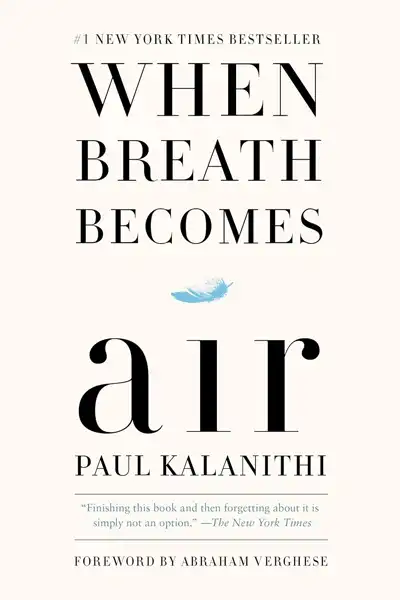
| Full Title | When Breath Becomes Air |
| Author Name | Paul Kalanithi |
| Ghostwriter | No officially credited ghostwriter |
| Genre | Memoir, Biography, Medical Nonfiction, Inspirational Literature |
| First Publisher | Random House |
| First Publication Date | January 12, 2016 |
| Formats Available | Hardcover, Paperback, Kindle/eBook, Audiobook, Audio CD |
| Number of Pages | Approximately 256 pages |
| Series | Standalone book (not part of a series) |
| Edition | Multiple international editions including hardcover, paperback, anniversary editions, and translated editions |
| Original Language | English |
| Languages Available | English, Hindi, Spanish, French, German, Italian, Japanese, Korean, Chinese, Portuguese, and many more |
| Recommended Age Group | Young Adults and Adults (16+ years) |
| Book Dimensions | Approx. 5.2 x 0.8 x 8 inches (paperback edition dimensions may vary) |
| Approx. Copies Sold | More than 2 million copies worldwide (estimated) |
| ISBN-10 | 081298840X |
| ISBN-13 | 978-0812988406 |
| Country of Origin | United States |
Read Inside This Book
Inside this book.
About the Book: When Breath Becomes Air – Summary
When Breath Becomes Air is a deeply moving memoir written by Paul Kalanithi, a talented neurosurgeon whose life changed unexpectedly after being diagnosed with terminal lung cancer in his mid-thirties. The book explores the fragile line between life and death while asking meaningful questions about purpose, identity, and what truly matters in the limited time people have.
Before his illness, Paul spent years studying literature, philosophy, and medicine, believing his future would revolve around saving lives through surgery. However, everything shifts when he suddenly becomes a patient instead of a doctor. Through honest reflections, he shares the emotional challenge of facing mortality while still trying to live with dignity, hope, and meaning.
One of the most powerful aspects of the memoir is its balance between science and humanity. Paul writes with intelligence, but his words remain emotional and accessible. He discusses fear, love, ambition, family, and the importance of meaningful work without sounding overly dramatic. Readers often connect with the book because it feels deeply personal yet universally relatable.
Conclusion
When Breath Becomes Air is more than a medical memoir. It is a thoughtful exploration of life itself, reminding readers to value time, relationships, and purpose before life unexpectedly changes direction.
Contents of this Book.
Table of Contents — When Breath Becomes Air
Prologue
Part I — In Perfect Health I Begin
Section 1 – Section 7
Part II — Cease Not till Death
Section 1 – Section 7
Epilogue
Written by Lucy Kalanithi
Chapter-wise Summary.
Chapter-wise Summary of When Breath Becomes Air
Prologue
Paul Kalanithi reflects on standing between life and death after receiving a terminal cancer diagnosis. He introduces the emotional and philosophical questions that shape the memoir, especially the search for meaning when time suddenly becomes limited.
Part I — In Perfect Health I Begin
Section 1
Paul’s childhood love for literature and philosophy develops alongside his fascination with science. He becomes deeply interested in understanding what gives human life meaning beyond simple survival.
Section 2
During college years, Paul studies literature while questioning how people confront mortality, suffering, and identity. These intellectual interests slowly guide him toward medicine and neuroscience.
Section 3
At medical school, Paul discovers neurosurgery as a profession combining technical skill with emotional responsibility. He becomes determined to help patients facing life-changing illnesses.
Section 4
Paul’s demanding surgical training consumes most of his life. Long hours, emotional pressure, and constant responsibility shape his identity as a doctor committed to meaningful work.
Section 5
As Paul advances professionally, he begins imagining a future filled with medical achievement, family stability, and academic success. His life appears carefully planned and promising.
Section 6
Unexpected physical symptoms begin interrupting his routine. Fatigue, pain, and weight loss slowly transform from small concerns into alarming medical realities.
Section 7
Paul learns he has advanced lung cancer. In one devastating moment, he shifts from treating dying patients to becoming one himself, forcing him to reevaluate ambition, identity, and the purpose of life.
Part II — Cease Not till Death
Section 1
After diagnosis, Paul struggles to balance hope and fear while beginning treatment. He realizes that medical knowledge feels very different when experienced personally rather than professionally.
Section 2
Chemotherapy and physical weakness reshape daily life. Despite illness, Paul continues searching for purpose and attempts to maintain connection with medicine and meaningful work.
Section 3
Paul reflects deeply on mortality, recognizing that certainty about the future can disappear instantly. His writing becomes more personal, thoughtful, and emotionally open.
Section 4
His relationship with his wife Lucy grows stronger through vulnerability, honesty, and shared uncertainty. Together, they face difficult decisions about family, time, and emotional resilience.
Section 5
Even while physically struggling, Paul returns to neurosurgery for a period, determined to continue helping patients and preserving the identity he values most.
Section 6
As cancer progresses, Paul accepts that life cannot always be controlled or predicted. He focuses more on meaningful moments rather than long-term expectations.
Section 7
Paul reflects on fatherhood, love, and legacy while preparing emotionally for the end of life. His thoughts emphasize presence, compassion, and human connection over fear.
Epilogue
Written by Lucy Kalanithi, the epilogue describes Paul’s final days with tenderness and honesty. She reflects on his courage, humanity, and the lasting impact his words continue to have on readers worldwide.
Key Themes & Takeaways.
Key Themes & Takeaways of When Breath Becomes Air
The search for life’s meaning
Paul Kalanithi explores what makes life valuable, especially when time becomes uncertain. The memoir encourages readers to think beyond success, money, or status.
Mortality changes perspective
The book shows how quickly life can shift. Paul’s transition from doctor to patient reveals how fragile human plans can be.
Medicine and humanity are deeply connected
Through his experiences as a neurosurgeon, Paul highlights that healing involves emotional understanding, not just scientific treatment.
Identity can change unexpectedly
When illness interrupts his career, Paul must redefine who he is beyond professional achievement.
Love and relationships matter deeply
Family, marriage, and emotional support become central sources of strength during difficult moments.
Acceptance is not the same as giving up
Paul continues living with purpose even after diagnosis, showing courage, dignity, and emotional resilience.
Best Short Quotes from this Book.
Best Short Quotes from When Breath Becomes Air
* “Even if I’m dying, until I actually die, I am still living.”
* “The fact of death is unsettling.”
* “Life isn’t about avoiding suffering.”
* “Science may provide the most useful way to organize empirical findings.”
* “Human knowledge is never contained in one person.”
* “The physician’s duty is not to stave off death.”
* “Words have a longevity I do not.”
* “You can’t ever reach perfection.”
* “Hope is the vitality of the soul.”
* “Death may be a one-time event.”
* “Meaningful life is possible even near the end.”
* “The future becomes uncertain for everyone eventually.”
Who Should Read this Book?
Who Should Read When Breath Becomes Air?
Readers who enjoy meaningful memoirs
People who appreciate emotional nonfiction and deeply personal life stories will connect strongly with this thoughtful and honest memoir.
Medical students and healthcare professionals
Doctors, nurses, medical students, and caregivers may especially value the book because it explores both sides of medicine—the physician’s responsibility and the patient’s vulnerability.
Anyone reflecting on life and purpose
Readers searching for books about meaning, mortality, ambition, or personal growth will find many powerful insights throughout the memoir.
Fans of philosophical and emotional writing
The book blends science, literature, and philosophy in a natural way, making it ideal for readers who enjoy reflective and thought-provoking ideas.
People facing personal challenges or uncertainty
Those going through illness, grief, life transitions, or emotional hardship may find comfort in Paul’s honesty, resilience, and calm perspective.
Book clubs and discussion-focused readers
Its themes around mortality, identity, relationships, and human purpose create strong opportunities for deep conversation and reflection.
Young adults and adult readers seeking inspiration
Paul’s journey reminds readers that even during uncertainty, people can continue living with dignity, curiosity, and meaning.
Emotional Impact of this Book.
Emotional Impact of When Breath Becomes Air
How the Book Makes You Feel
This memoir creates a quiet but powerful emotional impact. It makes readers reflect on life, time, ambition, and the fragile nature of human existence. Paul Kalanithi’s honesty brings feelings of sadness, admiration, hope, and gratitude together in a deeply human way. Instead of focusing only on illness, the book encourages readers to think about how people choose to live when the future becomes uncertain. Many readers finish the memoir feeling more aware of the importance of relationships, purpose, and meaningful moments.
Memorable Moments
Some of the most unforgettable scenes come when Paul shifts from being a confident neurosurgeon to becoming a cancer patient himself. His reflections on continuing work during treatment feel especially moving because they show dignity and determination rather than self-pity. The emotional conversations with his wife Lucy also stand out, particularly their discussions about love, family, and bringing a child into an uncertain future.
Relatable Experiences
Even readers who have never faced serious illness can relate to fear of uncertainty, career pressure, personal identity, and the desire to make life meaningful. The memoir speaks to universal human emotions in a simple, thoughtful way.
Strengths of this book.
Strengths of When Breath Becomes Air
Emotionally honest storytelling
Paul Kalanithi writes with sincerity and clarity, making the memoir feel deeply personal without becoming overly dramatic. His honesty helps readers emotionally connect with every stage of his journey.
Powerful reflection on life and mortality
The book (When Breath Becomes Air) thoughtfully explores difficult questions about death, purpose, identity, and what makes life meaningful, encouraging readers to reflect on their own priorities.
Unique perspective as both doctor and patient
Paul’s experience as a neurosurgeon facing terminal illness creates a rare and compelling viewpoint. He understands medicine from both professional and personal sides.
Clear and elegant writing style
The language remains simple, intelligent, and emotionally engaging. Complex medical and philosophical ideas feel accessible even for readers unfamiliar with those subjects.
Strong emotional depth without manipulation
Rather than forcing emotion, the memoir naturally creates empathy through real experiences, quiet reflection, and authentic vulnerability.
Balanced mix of science and humanity
The book (When Breath Becomes Air) combines medical reality with emotional insight, making it informative while still deeply human and relatable.
Inspirational without unrealistic positivity
Paul acknowledges pain, uncertainty, and fear honestly, yet continues searching for meaning and purpose, which makes the inspiration feel genuine.
Memorable philosophical insights
The memoir includes thoughtful reflections on ambition, relationships, time, and personal identity that stay with readers long after finishing the book.
Weaknesses or Limitations of this Book.
Weaknesses or Limitations of When Breath Becomes Air
Emotionally heavy subject matter
The memoir deals deeply with terminal illness, mortality, and emotional uncertainty. Readers looking for light or uplifting nonfiction may find certain sections emotionally overwhelming.
Short length leaves some topics less explored
Because the book (When Breath Becomes Air) is relatively brief, some readers may wish for more detailed exploration of Paul’s medical career, personal life, or philosophical reflections.
Philosophical discussions may feel dense at times
The memoir includes thoughtful reflections on literature, meaning, and existence. Readers unfamiliar with philosophical writing may occasionally find these sections slower or more complex.
Limited perspective due to memoir format
The story is told mainly through Paul’s personal viewpoint, which naturally limits broader perspectives from family members, colleagues, or patients.
Abrupt ending can feel emotionally unfinished
Since Paul passed away before fully completing the memoir, the ending carries a sudden emotional weight that may leave some readers wanting more closure.
Medical terminology may challenge some readers
Although the writing remains accessible overall, certain medical discussions and neurosurgical details could feel unfamiliar to readers without healthcare knowledge.
Not action-driven or plot-focused
Readers expecting dramatic events or fast-paced storytelling may find the memoir more reflective and introspective than entertaining in a traditional sense.
FAQ Section.
FAQ – When Breath Becomes Air
1. What is When Breath Becomes Air about?
The book (When Breath Becomes Air) follows Paul Kalanithi’s journey from a successful neurosurgeon to a patient diagnosed with terminal lung cancer. It explores life, purpose, identity, family, and the emotional reality of facing mortality.
2. Is this book (When Breath Becomes Air) emotionally heavy?
Yes, the memoir carries strong emotional depth, but it also offers hope, wisdom, and thoughtful reflections about living meaningfully. Many readers describe it as heartbreaking yet inspiring at the same time.
3. Do I need medical knowledge to understand the book?
Not at all. Paul explains medical experiences in a simple and human way. Even readers unfamiliar with healthcare or science can easily connect with the story and emotions.
4. Why do so many readers recommend this memoir?
Readers often connect with its honesty and emotional realism. The memoir discusses universal experiences like uncertainty, ambition, love, fear, and finding meaning during difficult times.
5. Is When Breath Becomes Air suitable for young adults?
Yes, mature teenagers and adults can both appreciate the memoir. Its thoughtful writing and emotional lessons make it valuable for readers interested in personal growth and life reflection.
6. What makes this memoir different from other nonfiction books?
Paul writes from two perspectives—as a doctor and as a patient. This rare combination gives the memoir emotional depth and a unique understanding of medicine and humanity.
7. Is the writing style easy to read?
The language feels elegant yet accessible. Paul combines emotional storytelling with thoughtful ideas without making the book feel overly complicated or academic.
8. Does the book (When Breath Becomes Air) focus only on illness?
No. While illness is central to the memoir, the book (When Breath Becomes Air) also explores relationships, career ambitions, personal identity, love, and the search for purpose in everyday life.
9. Will this book (When Breath Becomes Air) leave a lasting impression?
For many readers, yes. The memoir encourages reflection about time, priorities, and how people choose to live when life becomes uncertain.
About the author


All Genres
Biographies, Diaries & Memoirs Business & Investing Children Fiction Children’s Books Crime, Thriller & Mystery Fiction Health, Fitness & Nutrition Non-Fiction Picture Book Romance Science Fiction & Fantasy Self-Help & Personal Development Series Teen and Young Adult
Show more +Show less –Final Verdict :
When Breath Becomes Air is a deeply thoughtful and emotionally powerful memoir that blends medicine, philosophy, and personal reflection beautifully. Its honest storytelling and meaningful life lessons make it an unforgettable read for anyone seeking inspiration, perspective, and emotional depth.
-
Book Rating:9.4