
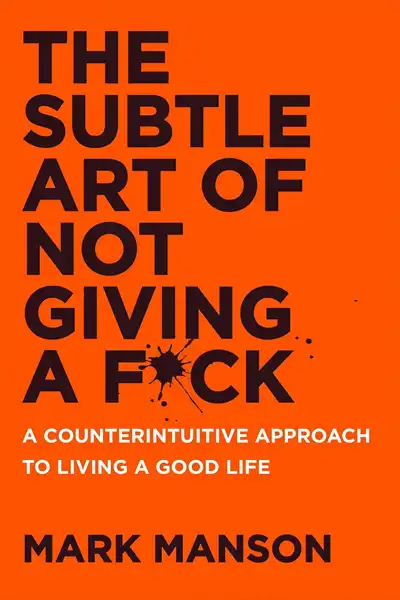
| Full Title | The Subtle Art of Not Giving a F*ck: A Counterintuitive Approach to Living a Good Life |
| Author Name | Mark Manson |
| Ghostwriter | No officially credited ghostwriter |
| Genre | Self-Help, Personal Development, Psychology, Non-fiction |
| First Publisher | HarperOne |
| First Publication Date | September 13, 2016 |
| Formats Available | Hardcover, Paperback, eBook, Kindle Edition, Audiobook, Audiobook CD |
| Number of Pages | Approximately 224 pages (first edition) |
| Series | No, it is a standalone book |
| Edition | Multiple editions, including hardcover, paperback, international editions, audiobook editions, and special editions |
| Original Language | English |
| Languages Available | English, Spanish, French, German, Portuguese, Italian, Dutch, Hindi, Bengali, Chinese, Japanese, Korean, Arabic, Russian, and many other languages |
| Recommended Age Group | 16 years and above (due to mature language and themes) |
| Book Dimensions | Approximately 5.5 x 0.9 x 8.3 inches (paperback edition; dimensions vary by edition) |
| Approx. Copies Sold | More than 16 million copies sold worldwide |
| ISBN-10 | 0062457713 |
| ISBN-13 | 978-0062457714 |
| Country of Origin | United States |
Read Inside This Book
Inside this book.
About the Book & Summary of The Subtle Art of Not Giving a F*ck
The Subtle Art of Not Giving a F*ck is a refreshing personal development book that challenges many traditional self-help ideas. Instead of encouraging readers to stay positive all the time, Mark Manson argues that a meaningful life comes from accepting challenges, limitations, and uncomfortable truths.
The book explores how people often waste energy worrying about things that do not truly matter. Manson encourages readers to choose their values carefully and focus only on what deserves their time, attention, and emotional investment. Through honest stories, humor, and practical insights, he explains that problems are a natural part of life and that personal growth comes from learning how to handle them effectively.
A central message of the book is that failure, uncertainty, and rejection are not obstacles to avoid but experiences that help people develop resilience and self-awareness. Manson also discusses responsibility, decision-making, and the importance of accepting reality rather than chasing unrealistic expectations.
What makes the book stand out is its direct and unconventional style. The lessons feel relatable because they connect with everyday struggles such as stress, comparison, fear of failure, and the pressure to appear successful. Readers are encouraged to stop seeking constant approval and start focusing on what genuinely matters.
Conclusion
The Subtle Art of Not Giving a F*ck offers a practical and thought-provoking approach to personal growth. Mark Manson’s honest perspective helps readers develop stronger priorities, greater resilience, and a healthier outlook on life.
Contents of this Book.
Table of Contents of The Subtle Art of Not Giving a F*ck
Introduction
Chapter 1: Don’t Try
Chapter 2: Happiness Is a Problem
Chapter 3: You Are Not Special
Chapter 4: The Value of Suffering
Chapter 5: You Are Always Choosing
Chapter 6: You’re Wrong About Everything (But So Am I)
Chapter 7: Failure Is the Way Forward
Chapter 8: The Importance of Saying No
Chapter 9: …And Then You Die
Conclusion
Chapter-wise Summary.
Chapter-wise summary of The Subtle Art of Not Giving a F*ck
Introduction
Mark Manson introduces a different approach to personal growth. Instead of chasing endless positivity, he encourages readers to accept life’s imperfections. He argues that meaningful living comes from choosing what truly deserves attention rather than worrying about everything.
Chapter 1: Don’t Try
Using stories such as that of Charles Bukowski, Manson explains that constant striving can be counterproductive. Success often comes when people stop obsessing over success itself and focus on genuine passions, values, and purposeful actions.
Chapter 2: Happiness Is a Problem
Happiness is not a destination that appears once problems disappear. Manson suggests that life always contains challenges. The key is choosing problems worth solving because personal growth often emerges from overcoming meaningful difficulties.
Chapter 3: You Are Not Special
Many people believe they deserve exceptional outcomes simply because they want them. Manson challenges this mindset, encouraging humility and self-awareness. Accepting ordinariness can reduce entitlement and help people focus on genuine improvement.
Chapter 4: The Value of Suffering
Pain and struggle are unavoidable parts of life. Rather than avoiding discomfort, Manson encourages readers to identify worthwhile struggles. The quality of life often depends on choosing challenges that align with personal values and goals.
Chapter 5: You Are Always Choosing
Even when circumstances seem beyond control, individuals retain responsibility for their responses. Manson explains that accepting ownership of choices empowers people to shape their lives more effectively and move forward with greater confidence.
Chapter 6: You’re Wrong About Everything (But So Am I)
People often hold beliefs that change over time. Manson encourages intellectual flexibility and continuous learning. Questioning assumptions and remaining open to new perspectives can lead to wiser decisions and stronger personal development.
Chapter 7: Failure Is the Way Forward
Failure is not evidence of weakness but a necessary part of growth. Every mistake provides useful feedback. Manson shows that learning from setbacks often creates the foundation for future success and personal resilience.
Chapter 8: The Importance of Saying No
Healthy boundaries are essential for meaningful relationships and personal well-being. Manson explains that saying no to distractions, unhealthy situations, and unrealistic demands allows people to focus on what truly matters.
Chapter 9: …And Then You Die
The final chapter explores mortality and its role in shaping priorities. Recognizing life’s limited nature encourages people to focus on meaningful experiences, authentic values, and purposeful actions instead of superficial concerns.
Conclusion
Manson concludes that a fulfilling life comes from accepting uncertainty, embracing responsibility, and focusing on carefully chosen values. By letting go of unnecessary worries, readers can build resilience, clarity, and a stronger sense of purpose.
Key Themes & Takeaways.
Key Themes & Takeaways of The Subtle Art of Not Giving a F*ck
Choose What Truly Matters – Time and energy are limited. The book encourages readers to focus on meaningful priorities instead of worrying about every problem or opinion.
Accept Life’s Challenges – Difficulties are a natural part of life. Growth often comes from handling worthwhile struggles rather than trying to avoid discomfort.
Take Responsibility for Your Choices – While people cannot control everything, they can control how they respond. Personal responsibility creates greater freedom and confidence.
Let Go of Constant Positivity – The book challenges the idea that happiness requires endless optimism. Accepting imperfections can lead to a healthier mindset.
Failure Leads to Progress – Mistakes provide valuable lessons. Every setback offers an opportunity to learn, adapt, and improve.
Set Clear Boundaries – Saying no to distractions and unhealthy expectations helps protect time, energy, and emotional well-being.
Question Your Beliefs – Staying open to new perspectives encourages personal growth and better decision-making.
Remember Life Is Finite – Awareness of mortality helps people focus on meaningful goals, authentic relationships, and a purpose-driven life.
Best Short Quotes from this Book.
Best Short Quotes from The Subtle Art of Not Giving a F*ck
* “Who you are is defined by what you’re willing to struggle for.”
* “Not giving a f*ck does not mean being indifferent.”
* “Happiness comes from solving problems.”
* “Everything worthwhile in life is won through surmounting challenges.”
* “You are responsible for everything in your life.”
* “The desire for more positive experience is itself a negative experience.”
* “Failure is the way forward.”
* “Growth is an endlessly iterative process.”
* “We all have limited f*cks to give.”
* “Maturity is what happens when one learns to only give a f*ck about what’s truly worth giving a f*ck about.”
* “Action isn’t just the effect of motivation; it’s also the cause.”
* “Life’s problems never stop.”
Who Should Read this Book?
Who Should Read The Subtle Art of Not Giving a F*ck
People Feeling Overwhelmed by Life
Readers who constantly worry about expectations, opinions, or daily pressures may find practical ways to simplify their thinking and focus on what truly matters.
Young Adults Navigating Major Life Decisions
Those facing career choices, relationship challenges, or personal uncertainty can gain valuable insights about responsibility, values, and long-term growth.
Fans of Personal Development Books
Anyone interested in self-improvement will appreciate the book’s unconventional approach to happiness, success, and emotional well-being.
Individuals Struggling with Failure or Setbacks
The book teaches that mistakes and disappointments are not roadblocks but important opportunities for learning and resilience.
People Seeking Greater Self-Awareness
Readers who want to better understand their beliefs, priorities, and behaviors will find thought-provoking ideas throughout the book.
Professionals Facing Stress and Pressure
Workers, entrepreneurs, and business leaders can learn how to manage expectations, set boundaries, and focus on meaningful goals.
Those Tired of Traditional Positive-Thinking Advice
The book offers a refreshing perspective by encouraging acceptance of life’s challenges rather than chasing constant positivity.
Readers Looking to Build Mental Resilience
The lessons help develop emotional strength, confidence, and the ability to handle uncertainty with a healthier mindset.
Anyone Wanting a More Meaningful Life
People who wish to focus on authentic values, stronger relationships, and purposeful choices will find the book both practical and inspiring.
Emotional Impact of this Book.
Emotional Impact of The Subtle Art of Not Giving a F*ck
How the Book Makes You Feel
This book feels refreshing because it challenges the pressure to be positive all the time. Instead of offering unrealistic promises, it encourages readers to accept imperfections and focus on what truly matters. As you read, you may feel relieved, empowered, and more confident about handling life’s challenges. The message reminds you that growth often comes from embracing reality rather than avoiding it.
Memorable Moments
Some of the most memorable moments come from Manson’s honest stories and unconventional lessons. His discussions about failure, responsibility, and personal values stand out because they challenge common beliefs about success and happiness. The idea that not every problem needs your attention is particularly powerful and stays with readers long after finishing the book.
Relatable Experiences
Nearly everyone has worried about fitting in, meeting expectations, or chasing goals that did not bring lasting satisfaction. The book connects with these everyday experiences and offers a practical perspective. Readers often recognize their own struggles in the examples and begin questioning whether they are investing energy in the right priorities.
Overall Emotional Impact
The emotional impact of the book comes from its honest and grounded approach. It encourages self-reflection without judgment and helps readers feel more comfortable with uncertainty, mistakes, and personal limitations. By the end, many readers feel less burdened by unnecessary pressures and more focused on building a meaningful, value-driven life.
Strengths of this book.
Strengths of The Subtle Art of Not Giving a F*ck
Offers a Refreshingly Honest Perspective
The book (The Subtle Art of Not Giving a F*ck) challenges common self-help advice and encourages readers to accept reality instead of chasing constant positivity, making its message feel practical and authentic.
Easy-to-Understand Writing Style
Mark Manson uses clear language, humor, and relatable examples, allowing readers from different backgrounds to connect with the ideas quickly.
Focuses on Meaningful Priorities
The book (The Subtle Art of Not Giving a F*ck) teaches readers how to identify what truly deserves their attention, helping them reduce unnecessary stress and distractions.
Encourages Personal Responsibility
It highlights the importance of owning choices and actions, empowering readers to take control of their personal growth and life direction.
Promotes Emotional Resilience
By reframing failure and discomfort as opportunities for learning, the book helps readers develop a stronger and more adaptable mindset.
Challenges Limiting Beliefs
The content encourages self-reflection and pushes readers to question assumptions that may be holding them back.
Highly Relatable Examples
Real-life stories and everyday situations make the lessons memorable and easier to apply in practical settings.
Balances Humor with Valuable Insights
The conversational tone keeps readers engaged while delivering meaningful lessons about happiness, success, and self-awareness.
Encourages Healthy Boundaries
Readers learn the importance of saying no, protecting their energy, and focusing on relationships and goals that genuinely matter.
Provides Lasting Personal Development Lessons
The principles remain relevant long after reading, helping readers make better decisions and create a more purposeful, value-driven life.
Weaknesses or Limitations of this Book.
Weaknesses or Limitations of The Subtle Art of Not Giving a F*ck
Strong Language May Not Suit Everyone
The book’s (The Subtle Art of Not Giving a F*ck) casual tone and frequent use of profanity may distract readers who prefer a more traditional or professional writing style.
Some Ideas Feel Repetitive
A few key concepts, such as responsibility, values, and accepting discomfort, appear throughout the book, which may make certain sections feel repetitive.
Limited Step-by-Step Guidance
While the book (The Subtle Art of Not Giving a F*ck) provides valuable insights, some readers may want more structured exercises or detailed action plans for applying the lessons.
Not Ideal for Every Reader
People looking for highly positive or motivational content may find the book’s direct and realistic approach less appealing.
Focuses More on Mindset Than Strategy
The book (The Subtle Art of Not Giving a F*ck) emphasizes changing perspectives and attitudes but spends less time discussing practical methods for achieving specific goals.
Some Examples May Feel Extreme
Certain stories and illustrations are intentionally bold to make a point, but not every reader will relate to them.
Philosophical Sections Can Feel Dense
Discussions about values, identity, and mortality may require deeper reflection and could seem challenging for readers seeking quick advice.
May Oversimplify Complex Situations
Real-life problems are often influenced by social, economic, or personal circumstances. Some readers may feel the book places too much emphasis on individual choice.
Unconventional Style Can Be Polarizing
The book’s counterintuitive approach attracts many readers, but others may disagree with its criticism of traditional self-help principles.
Not Entirely New for Experienced Readers
Readers familiar with personal development, psychology, or philosophy may recognize ideas that resemble concepts found in earlier self-improvement books.
FAQ Section.
FAQ About The Subtle Art of Not Giving a F*ck
1. What is The Subtle Art of Not Giving a F*ck about?
The book explores how focusing on meaningful values can lead to a more fulfilling life. Instead of chasing constant happiness, it encourages readers to accept challenges and prioritize what truly matters.
2. Why is this book (The Subtle Art of Not Giving a F*ck) different from other self-help books?
Unlike many personal development books, it does not promote endless positivity. Mark Manson uses a direct and honest approach, showing that growth often comes from facing difficulties rather than avoiding them.
3. Is this book (The Subtle Art of Not Giving a F*ck) suitable for beginners in self-improvement?
Yes. The writing is simple, engaging, and easy to follow. Readers new to personal development can quickly understand and apply its practical lessons.
4. Can this book (The Subtle Art of Not Giving a F*ck) help reduce stress and overthinking?
Many readers find it helpful because it teaches how to stop wasting energy on unimportant worries and focus on priorities that genuinely deserve attention.
5. Who should read this book (The Subtle Art of Not Giving a F*ck)?
The book is ideal for students, professionals, entrepreneurs, and anyone looking to build resilience, improve decision-making, and create a more meaningful life.
6. Does the book (The Subtle Art of Not Giving a F*ck) provide practical advice?
Yes. Along with thought-provoking ideas, it offers actionable insights on responsibility, values, failure, relationships, and personal growth.
7. Is the language easy to understand?
The author uses a conversational style filled with relatable examples and humor, making complex ideas accessible to a wide range of readers.
8. What is the biggest lesson from the book (The Subtle Art of Not Giving a F*ck)?
One of the most powerful lessons is that life becomes more rewarding when you carefully choose what deserves your time, energy, and attention.
9. Is the book (The Subtle Art of Not Giving a F*ck) only about ignoring problems?
No. The message is not about avoiding problems but about focusing on the right problems and handling them with maturity and responsibility.
10. Why should I buy The Subtle Art of Not Giving a F*ck?
If you want a fresh perspective on happiness, success, and personal growth, this book offers practical wisdom, honest insights, and valuable lessons that can positively influence everyday life.
About the author






Final Verdict :
The Subtle Art of Not Giving a F*ck offers a refreshing and practical take on personal growth. Mark Manson replaces unrealistic positivity with honest life lessons, helping readers focus on meaningful priorities, accept challenges, and build a stronger, more resilient mindset for long-term success.
- Book Rating:9