
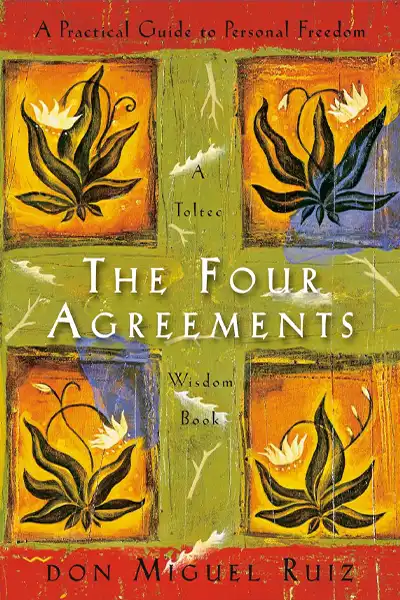
| Full Title | The Four Agreements: A Practical Guide to Personal Freedom |
| Author Name | Don Miguel Ángel Ruiz Macías (published as Don Miguel Ruiz) |
| Ghostwriter | No officially credited ghostwriter |
| Genre | Self-Help, Personal Development, Spirituality, Mindfulness, Inspirational Non-Fiction |
| First Publisher | Amber-Allen Publishing |
| First Publication Date | November 7, 1997 |
| Formats Available | Paperback, Hardcover, eBook, Kindle Edition, Audiobook, Audio CD, Large Print Edition, Gift Edition |
| Number of Pages | 138 pages (original edition; varies by edition) |
| Series | Yes. Part of the Toltec Wisdom Series. |
| Edition | More than 200 editions, reprints, translations, and special editions worldwide. |
| Original Language | English |
| Languages Available | English and more than 50 translated languages, including Spanish, French, German, Italian, Portuguese, Dutch, Russian, Chinese, Japanese, Korean, Arabic, Hindi, Turkish, and many others. |
| Recommended Age Group | Young Adults (16+) and Adults |
| Book Dimensions | Approximately 5.25 × 0.5 × 7.25 inches (paperback edition; dimensions vary by edition) |
| Approx. Copies Sold | More than 15 million copies in the United States and over 20 million copies worldwide (estimated). |
| ISBN-10 | 1878424319 |
| ISBN-13 | 978-1878424310 |
| Country of Origin | United States |
Read Inside This Book
Inside this book.
About the Book: The Four Agreements
The Four Agreements by Don Miguel Ruiz is a thought-provoking self-help book that offers practical guidance for creating a more peaceful and meaningful life. Inspired by ancient Toltec wisdom, the book presents four simple principles that can help people improve their mindset, relationships, and daily experiences.
The author explains that many emotional struggles come from beliefs and habits that people accept without questioning. Through clear examples and easy-to-understand lessons, Ruiz encourages readers to examine these patterns and replace them with healthier ways of thinking. The four agreements serve as a framework for living with greater honesty, awareness, and personal responsibility.
Rather than focusing on complicated theories, the book emphasizes small changes that can have a lasting impact. Readers learn how words influence relationships, how assumptions create misunderstandings, and how personal effort shapes results. These ideas are presented in a straightforward manner, making the book accessible to people from different backgrounds.
One of the book’s strongest qualities is its simplicity. The lessons are easy to remember but powerful enough to encourage long-term reflection. Many readers find that the principles can be applied to family life, friendships, careers, and personal goals.
Conclusion
The Four Agreements is a timeless personal development book that combines practical wisdom with spiritual insight. Its simple yet meaningful lessons encourage self-awareness, emotional freedom, and positive change, making it a valuable read for anyone seeking a more balanced and fulfilling life.
Contents of this Book.
Table of Contents of The Four Agreements
Introduction
Domestication and the Dream of the Planet
The First Agreement
* Be Impeccable with Your Word
The Second Agreement
* Don’t Take Anything Personally
The Third Agreement
* Don’t Make Assumptions
The Fourth Agreement
* Always Do Your Best
The Toltec Path to Freedom
* Breaking Old Agreements
The New Dream
* Heaven on Earth
Prayers
* A Prayer for Freedom
* A Prayer for Love
About the Author
Chapter-wise Summary.
Chapter-wise Summary of The Four Agreements
Introduction
The introduction presents the core idea that people often live according to beliefs and rules they have accepted from others. Ruiz invites readers to explore a new way of thinking that can lead to greater freedom, happiness, and self-awareness.
Domestication and the Dream of the Planet
Ruiz explains how society, family, and culture shape personal beliefs from childhood. These learned agreements create limitations and fears. By understanding this process of “domestication,” readers can begin questioning beliefs that no longer serve them.
The First Agreement
* Be Impeccable with Your Word
Words have tremendous power. Ruiz encourages readers to speak honestly, avoid harmful language, and use communication to create understanding rather than conflict. Choosing words carefully can improve relationships and strengthen self-respect.
The Second Agreement
* Don’t Take Anything Personally
People’s actions and opinions often reflect their own experiences and beliefs. Ruiz teaches that taking things personally creates unnecessary suffering. By separating personal worth from others’ judgments, individuals can maintain greater emotional balance.
The Third Agreement
* Don’t Make Assumptions
Assumptions frequently lead to misunderstandings and disappointment. Ruiz advises readers to ask questions, communicate clearly, and seek facts instead of creating stories in their minds. This habit promotes healthier relationships and reduces unnecessary conflict.
The Fourth Agreement
* Always Do Your Best
Doing your best is not about perfection. Ruiz explains that effort naturally varies depending on circumstances. Consistently giving sincere effort helps people avoid regret, build confidence, and experience personal satisfaction.
The Toltec Path to Freedom
* Breaking Old Agreements
This chapter focuses on replacing limiting beliefs with empowering ones. Ruiz explains that freedom requires awareness, discipline, and a willingness to challenge long-held mental patterns that create fear and self-doubt.
The New Dream
* Heaven on Earth
Ruiz describes a life guided by the four agreements. When people practice these principles consistently, they can experience more peace, joy, love, and authenticity. Personal freedom becomes possible through conscious daily choices.
Prayers
* A Prayer for Freedom
This prayer encourages readers to release fear, judgment, and emotional burdens. It emphasizes embracing personal truth and opening the heart to a more peaceful and fulfilling life.
* A Prayer for Love
The final prayer focuses on cultivating love, gratitude, and connection. It encourages readers to strengthen their relationship with themselves and others while appreciating the beauty of everyday life.
About the Author
This section provides background on Don Miguel Ruiz, his journey from medicine to spiritual teaching, and his commitment to sharing Toltec wisdom with readers around the world.
Key Themes & Takeaways.
Key Themes & Takeaways of The Four Agreements
Power of Words: The book highlights how words can build trust, confidence, and understanding. Speaking with honesty and care creates healthier relationships and a stronger sense of self.
Emotional Freedom: Ruiz teaches that other people’s opinions do not define your value. Letting go of personal reactions can reduce stress and increase inner peace.
Clear Communication: Many problems begin with assumptions. Asking questions and expressing thoughts openly helps prevent confusion and unnecessary conflict.
Consistent Effort Matters: Success is not about perfection. Doing your best in any situation creates growth, self-respect, and long-term satisfaction.
Breaking Limiting Beliefs: The book encourages readers to challenge old mental habits that create fear, guilt, or self-doubt and replace them with empowering perspectives.
Personal Responsibility: True change begins when individuals take ownership of their choices, actions, and attitudes instead of blaming circumstances.
Living with Awareness: Mindful thinking helps people make better decisions and respond thoughtfully rather than reacting automatically.
Creating a Better Life: The four agreements provide a practical guide for building stronger relationships, greater happiness, and lasting personal freedom.
Best Short Quotes from this Book.
Short quotes from The Four Agreements
* “Be impeccable with your word.”
* “Don’t take anything personally.”
* “Don’t make assumptions.”
* “Always do your best.”
* “What others say and do is a projection of their reality.”
* “Your opinion of yourself is stronger than anyone else’s.”
* “Awareness is always the first step.”
* “Life is very, very simple and easy to understand.”
* “Love is the only way to transform fear.”
* “The truth is like a scalpel.”
* “Happiness can only come from inside of you.”
* “Forgiveness is the only way to heal.”
* “You are responsible for what you say and do.”
* “Every human is an artist.”
* “Real love is accepting other people the way they are.”
Who Should Read this Book?
Who Should Read The Four Agreements
The Four Agreements is a valuable read for anyone interested in personal growth, better relationships, and a more peaceful mindset. The book’s simple lessons can benefit readers from many walks of life.
People seeking personal development will find practical ideas for overcoming self-limiting beliefs and building greater self-awareness.
Readers dealing with stress or emotional challenges can learn techniques that encourage inner calm and healthier responses to everyday situations.
Students and young adults may benefit from the book’s guidance on confidence, communication, and decision-making as they navigate important life choices.
Professionals and business leaders can use its principles to improve workplace relationships, teamwork, and communication skills.
Individuals interested in spirituality will appreciate the book’s blend of practical wisdom and deeper reflections on human behavior.
People looking to strengthen relationships can discover ways to reduce misunderstandings and communicate more openly with family, friends, and colleagues.
Anyone feeling stuck in negative thinking patterns may gain fresh perspectives that encourage positive change and personal freedom.
Whether you are beginning a self-improvement journey or looking for new ways to approach life, The Four Agreements offers timeless lessons that are easy to understand and apply.
Emotional Impact of this Book.
Emotional Impact of The Four Agreements
How the Book Makes You Feel
The Four Agreements creates a sense of relief and clarity. It encourages readers to step away from unnecessary worries and view life from a calmer perspective. As the ideas unfold, the book inspires confidence and helps readers feel more in control of their thoughts, emotions, and reactions. Its message feels uplifting because it shows that meaningful change can begin with simple daily choices.
Memorable Moments
Some of the most powerful moments come from the explanation of the four agreements themselves. Each principle feels straightforward, yet it reveals habits that many people never stop to question. The discussions about personal freedom, self-judgment, and emotional burdens often leave a lasting impression. These insights encourage readers to reflect on how small shifts in thinking can create significant improvements in everyday life.
Relatable Experiences
The book connects with common life situations that nearly everyone encounters. Many readers recognize themselves in the habit of taking criticism too personally, making assumptions, or being overly hard on themselves. The lessons feel practical because they can be applied to conversations with family, workplace interactions, friendships, and personal goals. This relatability makes the book feel less like a lecture and more like a guide for navigating real-life challenges with greater wisdom and balance.
Overall, The Four Agreements delivers an emotional experience that is thoughtful, encouraging, and deeply reflective. It motivates readers to replace limiting habits with healthier perspectives and approach life with greater peace, understanding, and self-awareness.
Strengths of this book.
Strengths of The Four Agreements
Simple Yet Powerful Message: The book presents life-changing ideas in a clear and straightforward way. Readers can easily understand the principles and apply them to everyday situations.
Practical Life Lessons: The four agreements are not abstract concepts. They offer actionable guidance that can improve communication, decision-making, and personal relationships.
Easy to Remember: Unlike many self-help books filled with complex strategies, this book focuses on four core principles that readers can recall and practice long after finishing the book.
Encourages Self-Awareness: Ruiz motivates readers to examine their thoughts, beliefs, and habits. This deeper awareness often becomes the first step toward personal growth.
Universal Appeal: The lessons apply to people from different cultures, professions, and age groups. The ideas remain relevant regardless of background or life stage.
Promotes Emotional Freedom: The book teaches readers how to reduce the impact of criticism, fear, and unnecessary emotional stress, helping them develop a healthier mindset.
Strong Focus on Personal Responsibility: Instead of blaming circumstances, the book encourages individuals to take ownership of their choices and actions.
Readable and Engaging Style: The writing is concise and approachable. Readers can absorb the key messages without feeling overwhelmed by lengthy explanations.
Timeless Wisdom: The principles remain relevant years after publication because they address common human challenges that continue across generations.
Encourages Positive Relationships: By improving communication and reducing assumptions, the book provides valuable tools for building stronger connections with others.
Weaknesses or Limitations of this Book.
Weaknesses or Limitations of The Four Agreements
Concepts May Feel Overly Simplified: The book presents complex emotional and personal challenges through four basic principles. Some readers may wish for deeper explanations or more detailed strategies for handling difficult situations.
Limited Practical Examples: While the lessons are easy to understand, the book provides fewer real-world case studies than some modern personal development books. Readers seeking step-by-step guidance may want additional resources.
Spiritual Perspective May Not Suit Everyone: The teachings draw inspiration from Toltec wisdom and spiritual ideas. Readers who prefer a purely scientific or psychological approach may find certain concepts less convincing.
Repetition of Core Ideas: Several chapters revisit similar themes. While repetition reinforces the message, some readers may feel the book could have been more concise.
Lack of Detailed Action Plans: The principles are clear, but the book leaves much of the implementation to the reader. Those looking for structured exercises may find the guidance somewhat open-ended.
Not a Quick Solution: Applying the agreements requires ongoing practice and self-reflection. Readers expecting immediate transformation may discover that meaningful change takes time and consistent effort.
Some Advice Can Seem Idealistic: In challenging environments, avoiding assumptions or not taking things personally may be more difficult than the book suggests.
Limited Focus on External Factors: The book emphasizes personal responsibility and mindset but spends less time discussing how social, economic, or environmental influences can affect individual experiences.
Short Length May Leave Questions Unanswered: Because the book is relatively brief, some readers may finish it wanting a more detailed exploration of its key ideas.
Requires Personal Reflection: The value of the book depends heavily on the reader’s willingness to examine habits and beliefs. Those seeking passive motivation may not connect as strongly with its message.
FAQ Section.
FAQ: The Four Agreements
1. What is The Four Agreements about?
The book introduces four simple principles that can help people improve their mindset, relationships, and daily lives. It focuses on reducing unnecessary emotional struggles and creating greater personal freedom.
2. Why has this book (The Four Agreements) remained popular for so many years?
Its lessons are easy to understand and apply. Readers often appreciate how a few straightforward ideas can lead to meaningful changes in communication, confidence, and self-awareness.
3. Is this book (The Four Agreements) only for people interested in spirituality?
No. While the book includes spiritual influences, its practical advice can benefit anyone looking to improve relationships, manage emotions, and develop a healthier outlook on life.
4. Can beginners in personal development understand this book (The Four Agreements)?
Absolutely. The writing style is simple and approachable, making it a great starting point for readers who are new to self-help and personal growth books.
5. How can the book (The Four Agreements) help with everyday challenges?
The principles can be applied to common situations such as handling criticism, avoiding misunderstandings, improving conversations, and reducing unnecessary stress.
6. Is The Four Agreements a long or difficult read?
Not at all. It is a relatively short book that delivers its message clearly, making it easy to read in a few sittings while still offering ideas worth revisiting.
7. What makes this book (The Four Agreements) different from other self-help books?
Instead of presenting dozens of rules or strategies, it focuses on four core agreements that are simple to remember and practical to use in daily life.
8. Will I need to change my lifestyle completely to benefit from the book (The Four Agreements)?
No. The book encourages small shifts in thinking and behavior. Even minor changes in how you communicate and respond to situations can make a noticeable difference.
9. Who is most likely to enjoy this book (The Four Agreements)?
People interested in personal growth, emotional well-being, mindfulness, and stronger relationships often find the book both insightful and useful.
10. Is The Four Agreements worth buying today?
Yes. Its timeless lessons continue to resonate with readers because they address common challenges that people face in relationships, work, and personal development.
About the author





Final Verdict :
The Four Agreements by Don Miguel Ruiz is a concise yet impactful guide to personal growth. Its simple principles encourage self-awareness, better communication, and emotional freedom. Readers seeking practical wisdom and lasting positive change will find this book both insightful and rewarding.
- Book Rating:9.4