
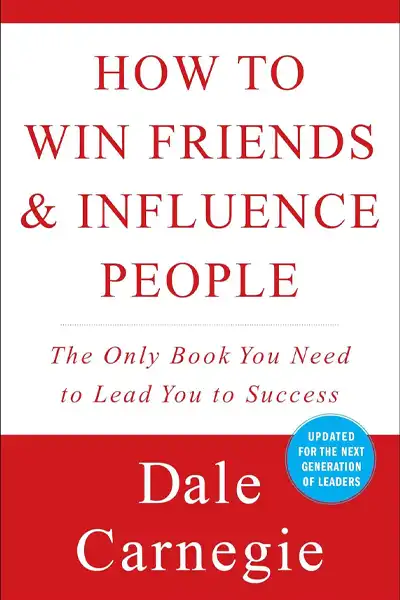
| Full Title | How to Win Friends and Influence People |
| Author Name | Dale Carnegie |
| Ghostwriter | No officially credited ghostwriter |
| Genre | Self-Help, Personal Development, Communication Skills, Leadership, Non-fiction |
| First Publisher | Simon & Schuster |
| First Publication Date | October 1936 |
| Formats Available | Hardcover, Paperback, eBook, Kindle Edition, Audiobook, Large Print Edition |
| Number of Pages | Approximately 288 pages (most modern editions) |
| Series | No, it is a standalone book |
| Edition | Hundreds of editions, revised editions, anniversary editions, and international editions have been published over the decades |
| Original Language | English |
| Languages Available | English, Spanish, French, German, Hindi, Bengali, Chinese, Japanese, Arabic, Portuguese, Russian, and many more |
| Recommended Age Group | Generally suitable for readers aged 14 years and above |
| Book Dimensions | Approximately 5.3 x 0.7 x 8.0 inches (paperback edition; dimensions vary by edition) |
| Approx. Copies Sold | More than 30 million copies sold worldwide |
| ISBN-10 | 0671027034 (popular revised paperback edition) |
| ISBN-13 | 978-0671027032 |
| Country of Origin | United States |
Read Inside This Book
Inside this book.
About the Book & Summary of How to Win Friends and Influence People
How to Win Friends and Influence People is a classic personal development book that focuses on improving communication, building strong relationships, and becoming more effective when dealing with people. First published in 1936, the book continues to influence readers because its advice remains practical and relevant in everyday life.
Dale Carnegie explains that success often depends not only on knowledge or talent but also on the ability to connect with others. Through real-life examples and simple lessons, he shows how appreciation, empathy, active listening, and genuine interest can improve personal and professional relationships. Instead of criticizing people, Carnegie encourages readers to understand different viewpoints and communicate with respect.
The book is divided into several sections that cover important skills such as making a positive first impression, becoming a better conversationalist, handling disagreements, and inspiring cooperation. The lessons are easy to apply in workplaces, businesses, friendships, and family relationships. Even small changes, such as remembering someone’s name or offering sincere appreciation, can create meaningful results.
One reason the book remains popular is its practical approach. The advice feels realistic and focuses on actions readers can use immediately. The principles are simple but often overlooked in daily interactions.
Conclusion
How to Win Friends and Influence People is a timeless guide to communication and relationship-building. Dale Carnegie’s practical wisdom, clear examples, and people-focused approach make it a valuable read for anyone who wants to improve social skills, strengthen relationships, and achieve greater personal and professional success.
Contents of this Book.
Table of Contents of How to Win Friends and Influence People
Nine Suggestions on How to Get the Most Out of This Book
Part One: Fundamental Techniques in Handling People
* If You Want to Gather Honey, Don’t Kick Over the Beehive
* The Big Secret of Dealing with People
* He Who Can Do This Has the Whole World with Him. He Who Cannot Walks a Lonely Way
Part Two: Six Ways to Make People Like You
* Do This and You’ll Be Welcome Anywhere
* A Simple Way to Make a Good First Impression
* If You Don’t Do This, You Are Headed for Trouble
* An Easy Way to Become a Good Conversationalist
* How to Interest People
* How to Make People Like You Instantly
Part Three: How to Win People to Your Way of Thinking
* You Can’t Win an Argument
* A Sure Way of Making Enemies—and How to Avoid It
* If You’re Wrong, Admit It
* A Drop of Honey
* The Secret of Socrates
* The Safety Valve in Handling Complaints
* How to Get Cooperation
* A Formula That Will Work Wonders for You
* What Everybody Wants
* An Appeal That Everybody Likes
* The Movies Do It. TV Does It. Why Don’t You Do It?
* When Nothing Else Works, Try This
Part Four: Be a Leader: How to Change People Without Giving Offense or Arousing Resentment
* If You Must Find Fault, This Is the Way to Begin
* How to Criticize—and Not Be Hated for It
* Talk About Your Own Mistakes First
* No One Likes to Take Orders
* Let the Other Person Save Face
* How to Spur People on to Success
* Give a Dog a Good Name
* Make the Fault Seem Easy to Correct
* Making People Glad to Do What You Want
Part Five: Letters That Produced Miraculous Results
Part Six: Seven Rules for Making Your Home Life Happier
* How to Dig Your Marital Grave in the Quickest Possible Way
* Love and Let Live
* Do This and You’ll Be Looking Up the Time Tables to Reno
* A Quick Way to Make Everybody Happy
* They Mean So Much to a Woman
* If You Want to Be Happy, Don’t Neglect This One
* Don’t Be a “Marriage Illiterate”
In a Nutshell
Note: Different editions may vary slightly, but these are the classic section and chapter titles most commonly associated with How to Win Friends and Influence People.
Chapter-wise Summary.
Chapter-wise Summary of How to Win Friends and Influence People
Nine Suggestions on How to Get the Most Out of This Book
Carnegie begins by encouraging active learning rather than passive reading. He advises readers to apply the principles regularly, review them often, and turn simple ideas into daily habits to gain lasting personal and professional benefits.
Part One: Fundamental Techniques in Handling People
1. If You Want to Gather Honey, Don’t Kick Over the Beehive
Criticism often creates resistance instead of improvement. Carnegie explains that understanding people and avoiding blame helps build stronger relationships and encourages positive change more effectively than harsh judgment.
2. The Big Secret of Dealing with People
People naturally appreciate recognition and sincere appreciation. This chapter highlights the importance of acknowledging others genuinely rather than using flattery, creating stronger trust and cooperation in personal and professional interactions.
3. He Who Can Do This Has the Whole World with Him. He Who Cannot Walks a Lonely Way
The ability to inspire desire in others is a valuable skill. Carnegie shows that understanding what motivates people makes communication more effective and helps achieve mutual goals.
Part Two: Six Ways to Make People Like You
1. Do This and You’ll Be Welcome Anywhere
Showing genuine interest in others creates meaningful connections. People respond positively when they feel valued, heard, and appreciated rather than ignored or overlooked.
2. A Simple Way to Make a Good First Impression
A sincere smile communicates warmth and friendliness. Carnegie explains how positive body language can instantly improve social interactions and make others feel comfortable.
3. If You Don’t Do This, You Are Headed for Trouble
Remembering and using people’s names demonstrates respect and attention. This simple habit strengthens relationships and leaves a lasting positive impression.
4. An Easy Way to Become a Good Conversationalist
Effective conversations depend more on listening than speaking. Carnegie encourages readers to ask thoughtful questions and show genuine curiosity about others.
5. How to Interest People
Talking about topics that matter to others creates stronger engagement. Understanding people’s interests makes conversations more enjoyable and meaningful.
6. How to Make People Like You Instantly
Making others feel important through sincere appreciation strengthens relationships. Small gestures of respect and recognition often have a powerful impact.
Part Three: How to Win People to Your Way of Thinking
1. You Can’t Win an Argument
Arguments rarely change minds and often damage relationships. Carnegie suggests focusing on understanding and respectful discussion instead of trying to prove others wrong.
2. A Sure Way of Making Enemies—and How to Avoid It
Telling people they are wrong directly can create resentment. A humble approach encourages cooperation and keeps conversations productive.
3. If You’re Wrong, Admit It
Admitting mistakes quickly shows confidence and maturity. Taking responsibility often earns respect and prevents unnecessary conflict.
4. A Drop of Honey
A friendly approach achieves better results than aggression. Kindness and understanding help reduce resistance and encourage positive responses.
5. The Secret of Socrates
Asking questions instead of making demands helps guide conversations naturally. This method encourages agreement and deeper understanding.
6. The Safety Valve in Handling Complaints
Allowing people to express concerns fully helps reduce tension. Listening patiently often leads to more constructive outcomes.
7. How to Get Cooperation
Understanding another person’s perspective creates better teamwork. Carnegie emphasizes empathy as a key element of successful communication.
8. A Formula That Will Work Wonders for You
Seeing situations from another person’s viewpoint improves relationships and problem-solving. This simple principle strengthens trust and cooperation.
9. What Everybody Wants
People appreciate recognition and respect. Carnegie explains how making others feel valued improves both personal and professional interactions.
10. An Appeal That Everybody Likes
Appealing to higher motives inspires people more effectively than pressure or manipulation. Positive intentions encourage meaningful cooperation.
11. The Movies Do It. TV Does It. Why Don’t You Do It?
Dramatic and engaging presentation captures attention. Carnegie shows how vivid examples can make ideas more persuasive and memorable.
12. When Nothing Else Works, Try This
Offering challenges can motivate people to perform at their best. Many individuals respond positively when given meaningful goals.
Part Four: Be a Leader: How to Change People Without Giving Offense or Arousing Resentment
1. If You Must Find Fault, This Is the Way to Begin
Starting with praise before offering criticism helps people stay receptive and reduces defensiveness during difficult conversations.
2. How to Criticize—and Not Be Hated for It
Indirect suggestions often work better than direct criticism. Gentle guidance encourages improvement without damaging relationships.
3. Talk About Your Own Mistakes First
Sharing personal mistakes creates humility and trust. People are more willing to accept advice when they feel understood.
4. No One Likes to Take Orders
Inviting participation instead of giving commands encourages cooperation and helps others feel respected.
5. Let the Other Person Save Face
Protecting another person’s dignity strengthens relationships and prevents unnecessary embarrassment or resentment.
6. How to Spur People on to Success
Encouragement and recognition inspire confidence. Positive reinforcement often motivates people more effectively than criticism.
7. Give a Dog a Good Name
People often strive to live up to positive expectations. Assigning a favorable reputation encourages better behavior.
8. Make the Fault Seem Easy to Correct
Presenting challenges as manageable increases confidence and motivation. People are more likely to improve when success feels achievable.
9. Making People Glad to Do What You Want
When people understand the benefits and feel respected, they become more willing to cooperate enthusiastically.
Part Five: Letters That Produced Miraculous Results
This section presents real examples of persuasive communication. The letters demonstrate how empathy, respect, and thoughtful wording can influence outcomes and strengthen relationships.
Part Six: Seven Rules for Making Your Home Life Happier
1. How to Dig Your Marital Grave in the Quickest Possible Way
Constant criticism can damage relationships. Carnegie stresses the importance of respect, appreciation, and understanding within family life.
2. Love and Let Live
Accepting differences and avoiding unnecessary control creates a healthier and happier home environment.
3. Do This and You’ll Be Looking Up the Time Tables to Reno
Neglecting appreciation can weaken relationships. Carnegie highlights the value of gratitude and thoughtful attention.
4. A Quick Way to Make Everybody Happy
Small acts of kindness and consideration often improve daily interactions and strengthen family bonds.
5. They Mean So Much to a Woman
Respect, appreciation, and emotional support contribute significantly to relationship satisfaction and mutual understanding.
6. If You Want to Be Happy, Don’t Neglect This One
Simple courtesies and thoughtful behavior help maintain harmony and strengthen long-term relationships.
7. Don’t Be a “Marriage Illiterate”
Successful relationships require effort, understanding, and continuous learning. Carnegie encourages readers to develop stronger communication and relationship skills.
In a Nutshell
The final section summarizes the book’s most important lessons, reinforcing key principles about communication, leadership, influence, empathy, appreciation, and relationship-building that readers can apply throughout life.
Key Themes & Takeaways.
Key Themes & Takeaways of How to Win Friends and Influence People
The Power of Genuine Appreciation – People respond positively when they feel valued. Sincere appreciation strengthens trust and builds lasting relationships.
Effective Communication Matters – Listening carefully often creates stronger connections than speaking constantly. Good communication begins with understanding others.
Avoid Criticism and Blame – Constructive encouragement works better than harsh judgment when trying to influence behavior or solve problems.
Show Interest in Others – Genuine curiosity about people helps create meaningful friendships and professional relationships.
Respect Different Viewpoints – Understanding another person’s perspective reduces conflict and encourages cooperation.
Influence Through Kindness – Friendly and respectful interactions often achieve better results than pressure or arguments.
Develop Leadership Skills – Great leaders motivate, encourage, and guide others without creating resentment.
Build Strong Personal and Professional Relationships – Small habits such as remembering names, listening actively, and showing respect can make a significant difference.
Focus on Mutual Benefit – Successful interactions occur when both sides feel understood, appreciated, and valued.
Best Short Quotes from this Book.
Best Short Quotes from How to Win Friends and Influence People
* “Don’t criticize, condemn, or complain.”
* “Become genuinely interested in other people.”
* “A person’s name is, to that person, sweet.”
* “Talk in terms of the other person’s interests.”
* “Make the other person feel important.”
* “Smile.”
* “Be a good listener.”
* “Let the other person save face.”
* “Show respect for the other person’s opinions.”
* “Admit it quickly and emphatically.”
* “Begin in a friendly way.”
* “Ask questions instead of giving orders.”
* “Give honest and sincere appreciation.”
* “Appeal to the nobler motives.”
* “Try honestly to see things from their viewpoint.”
Who Should Read this Book?
Who Should Read How to Win Friends and Influence People
* Students and Young Professionals
Anyone starting their academic or career journey can learn valuable communication and relationship-building skills that support long-term success.
* Business Professionals
Managers, executives, salespeople, and entrepreneurs can benefit from practical techniques for leadership, teamwork, negotiation, and professional networking.
* People Looking to Improve Social Skills
Readers who want to feel more confident in conversations and social situations will find useful and easy-to-apply advice.
* Aspiring Leaders
The book (How to Win Friends and Influence People) teaches how to motivate, influence, and guide people respectfully without creating conflict or resentment.
* Job Seekers and Career Changers
Strong interpersonal skills often open new opportunities. The book (How to Win Friends and Influence People) offers principles that can improve interviews, workplace relationships, and professional growth.
* Entrepreneurs and Business Owners
Building trust with customers, employees, and partners is essential for business success, and the book (How to Win Friends and Influence People) provides practical ways to strengthen those connections.
* Anyone Interested in Personal Development
Readers who enjoy self-improvement books will appreciate the timeless lessons on empathy, communication, and human behavior.
* People Seeking Better Relationships
The principles apply not only to work but also to friendships, family life, and everyday interactions, making the book (How to Win Friends and Influence People)useful for a wide range of readers.
* Readers Who Prefer Practical Advice
Those looking for clear, actionable lessons rather than complex theories will find the book straightforward, engaging, and easy to implement in daily life.
Emotional Impact of this Book.
Emotional Impact of How to Win Friends and Influence People
How the Book Makes You Feel
This book (How to Win Friends and Influence People) leaves readers feeling more confident, optimistic, and aware of how small changes in behavior can improve relationships. Instead of promoting complicated strategies, it shows that kindness, respect, and genuine interest in others can create meaningful results. The lessons often inspire readers to become better listeners and more thoughtful communicators.
Memorable Moments
Many of the book’s most memorable moments come from real-life examples that demonstrate the power of appreciation and understanding. Carnegie’s advice about remembering names, avoiding unnecessary criticism, and making others feel important stands out because these simple actions can dramatically change everyday interactions. The practical stories make the lessons easy to remember long after finishing the book.
Relatable Experiences
Almost everyone has experienced misunderstandings, disagreements, or situations where communication could have gone better. The book (How to Win Friends and Influence People) connects with these common challenges and offers practical solutions. Readers often recognize their own habits in the examples and begin to see how small adjustments can improve conversations at work, at home, and in social settings.
The emotional impact of the book (How to Win Friends and Influence People) comes from its positive message: better relationships often begin with simple acts of respect, empathy, and genuine human connection.
Strengths of this book.
Strengths of How to Win Friends and Influence People
Practical and Actionable Advice
The book (How to Win Friends and Influence People) focuses on simple techniques that readers can apply immediately in conversations, relationships, workplaces, and everyday situations.
Timeless Communication Principles
Its lessons on respect, empathy, listening, and appreciation remain relevant across generations and continue to work in modern social and professional environments.
Easy-to-Understand Writing Style
Carnegie explains ideas in clear language, making the book accessible to beginners as well as experienced readers of personal development books.
Strong Focus on Human Relationships
The book (How to Win Friends and Influence People) highlights how positive interactions and genuine interest in others can strengthen both personal and professional connections.
Real-Life Examples and Stories
Practical stories help readers understand how the principles work in real situations, making the lessons memorable and relatable.
Builds Leadership Skills
Readers learn how to influence, motivate, and guide people without creating conflict, pressure, or resentment.
Encourages Empathy and Understanding
The book (How to Win Friends and Influence People) teaches readers to see situations from other people’s perspectives, leading to better communication and stronger trust.
Useful for Multiple Areas of Life
Its principles can improve friendships, family relationships, business dealings, networking, teamwork, and career growth.
Boosts Confidence in Social Situations
Many readers gain greater confidence when speaking with others, handling disagreements, and building new relationships.
Creates Long-Term Personal Growth
The lessons encourage lasting changes in behavior, helping readers become more thoughtful, respectful, and effective communicators over time.
Weaknesses or Limitations of this Book.
Weaknesses or Limitations of How to Win Friends and Influence People
Some Examples Feel Dated
Since the book (How to Win Friends and Influence People) was first published in 1936, a few stories and references may feel less relevant to modern readers and contemporary workplaces.
Repetition of Key Ideas
Certain principles, such as appreciation and avoiding criticism, appear multiple times throughout the book(How to Win Friends and Influence People), which can make some sections feel repetitive.
Limited Coverage of Digital Communication
The book (How to Win Friends and Influence People) focuses on face-to-face interactions and traditional communication, offering little guidance for emails, social media, or virtual workplaces.
Can Seem Overly Idealistic at Times
Some readers may feel that the suggested approaches assume people will always respond positively to kindness and understanding.
Lacks Deep Psychological Analysis
The book (How to Win Friends and Influence People) emphasizes practical behavior rather than exploring the scientific or psychological reasons behind human actions and decision-making.
Not Every Principle Fits Every Situation
Certain recommendations may work well in many circumstances but may not be effective in highly competitive or complex environments.
Simplifies Some Human Interactions
Relationships and conflicts can be complicated. At times, the book (How to Win Friends and Influence People) presents solutions that may appear more straightforward than real-life situations.
Few Modern Business Examples
Readers looking for current workplace case studies or contemporary leadership examples may find the material somewhat dated.
Requires Consistent Practice
The principles are easy to understand, but meaningful results often depend on long-term application rather than quick implementation.
May Feel Familiar to Frequent Self-Help Readers
Many modern personal development books have adopted Carnegie’s ideas, so experienced readers may recognize concepts they have encountered elsewhere.
FAQ Section.
FAQ About How to Win Friends and Influence People
1. What is How to Win Friends and Influence People about?
The book teaches practical communication skills, relationship-building techniques, and leadership principles. It shows how small changes in behavior can improve both personal and professional interactions.
2. Why is this book (How to Win Friends and Influence People) still popular after so many years?
Its advice focuses on human nature, which changes very little over time. The lessons on respect, listening, and understanding remain useful in modern life and work.
3. Is this book (How to Win Friends and Influence People) only for business professionals?
No. While professionals benefit from its insights, the principles apply equally to friendships, family relationships, social situations, and everyday conversations.
4. Can this book (How to Win Friends and Influence People) help improve communication skills?
Yes. The book offers practical techniques for becoming a better listener, handling disagreements respectfully, and making conversations more meaningful.
5. Is the book (How to Win Friends and Influence People) easy to read for beginners?
Absolutely. Dale Carnegie uses simple language, engaging stories, and real-life examples that make the lessons easy to understand and apply.
6. What makes this book (How to Win Friends and Influence People) different from other self-help books?
Instead of focusing on complicated theories, the book provides straightforward, actionable advice that readers can use immediately in daily life.
7. Will the book (How to Win Friends and Influence People) help with leadership and influence?
Yes. It teaches how to motivate people, gain cooperation, and lead effectively without relying on authority, pressure, or conflict.
8. Are the lessons still relevant in today’s world?
Many readers believe they are. The core principles of empathy, appreciation, trust, and respectful communication remain valuable in both personal and professional settings.
9. How quickly can readers apply the book’s ideas?
Many techniques can be used right away. Simple actions such as listening carefully, remembering names, and showing sincere appreciation can create noticeable improvements in interactions.
10. Who should consider buying this book (How to Win Friends and Influence People)?
Anyone who wants stronger relationships, better communication skills, greater confidence in social situations, or improved leadership abilities will likely find lasting value in this classic personal development book.
About the author









Final Verdict :
How to Win Friends and Influence People by Dale Carnegie remains a timeless guide to communication, leadership, and relationship-building. Its practical advice, easy-to-follow principles, and real-world examples make it a valuable read for anyone seeking stronger connections, greater influence, and lasting personal growth.
- 9.4